How are blood tests used to diagnose primary immunodeficiency (PI)?
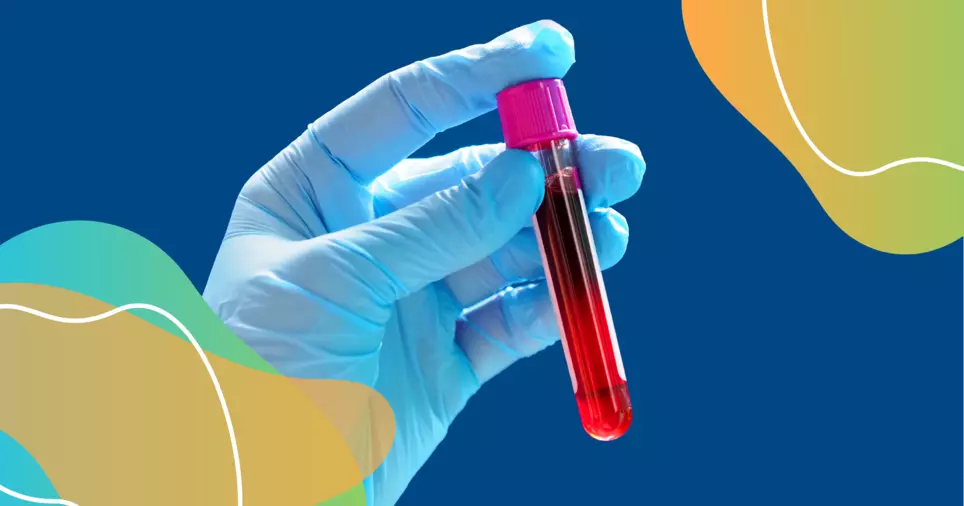
Blood tests are a key first step in diagnosing PI. They can't confirm PI on their own, but they give doctors important clues about how well the immune system is working and which part may be affected.
Here are the main types of blood tests used:
- Complete Show Full Answer
How are blood tests used to diagnose primary immunodeficiency (PI)?
Blood tests are a key first step in diagnosing PI. They can't confirm PI on their own, but they give doctors important clues about how well the immune system is working and which part may be affected.
Here are the main types of blood tests used:
- Complete blood count (CBC): Measures levels of immune cells like lymphocytes, T cells, B cells, and neutrophils
- Immunoglobulin (antibody) levels: Checks if your body is producing enough infection-fighting antibodies
- Serology tests: Look for specific antibodies or immune response markers in the blood
- Vaccine response testing: Blood is taken before and after a vaccine to see if your immune system responds properly — if it can't make antibodies after vaccination, that can signal PI
- Autoantibody tests: These check if the immune system may be attacking the body's own tissues, which is relevant since up to 1 in 4 people with antibody deficiencies also have an autoimmune issue If blood tests suggest a problem, genetic testing may also be recommended to look for mutations linked to a specific type of PI — especially if there's a family history involved.
It's worth knowing that getting a PI diagnosis can take time — on average, over four years. So if something feels off, it's always worth pushing for more answers with your healthcare team.
October 27






 Join




 Your Privacy Choices